August 18, 2026 · 2 min read
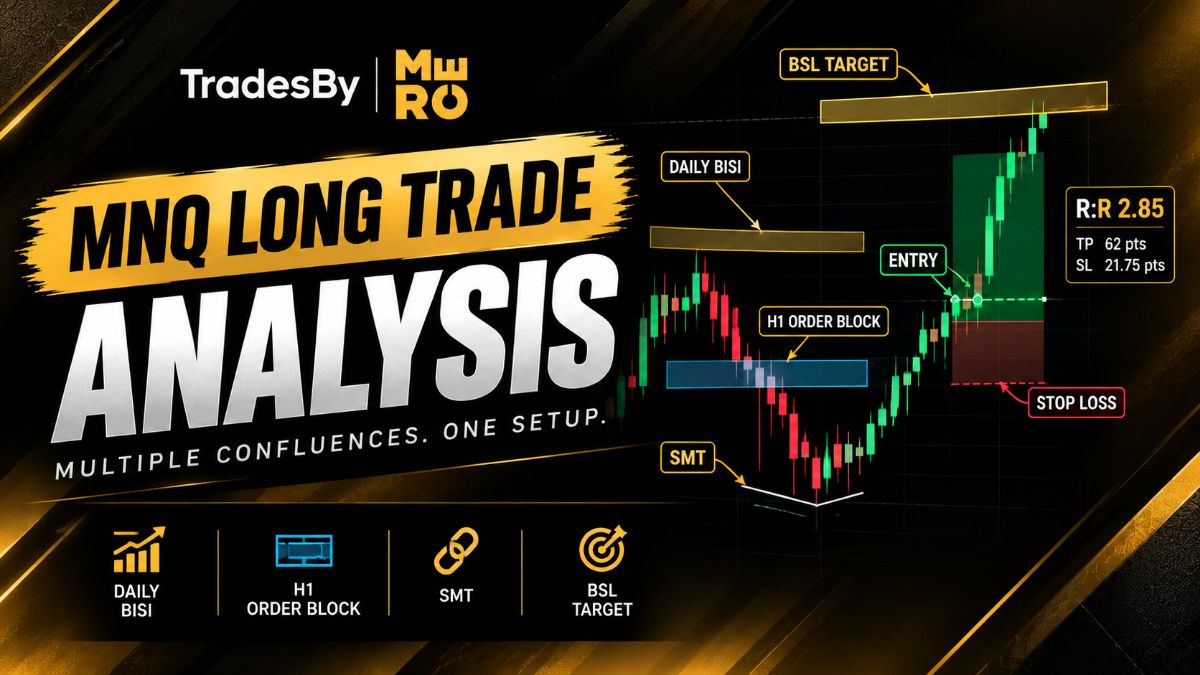
This was a EURUSD long setup built around higher-timeframe context and lower-timeframe confirmation.
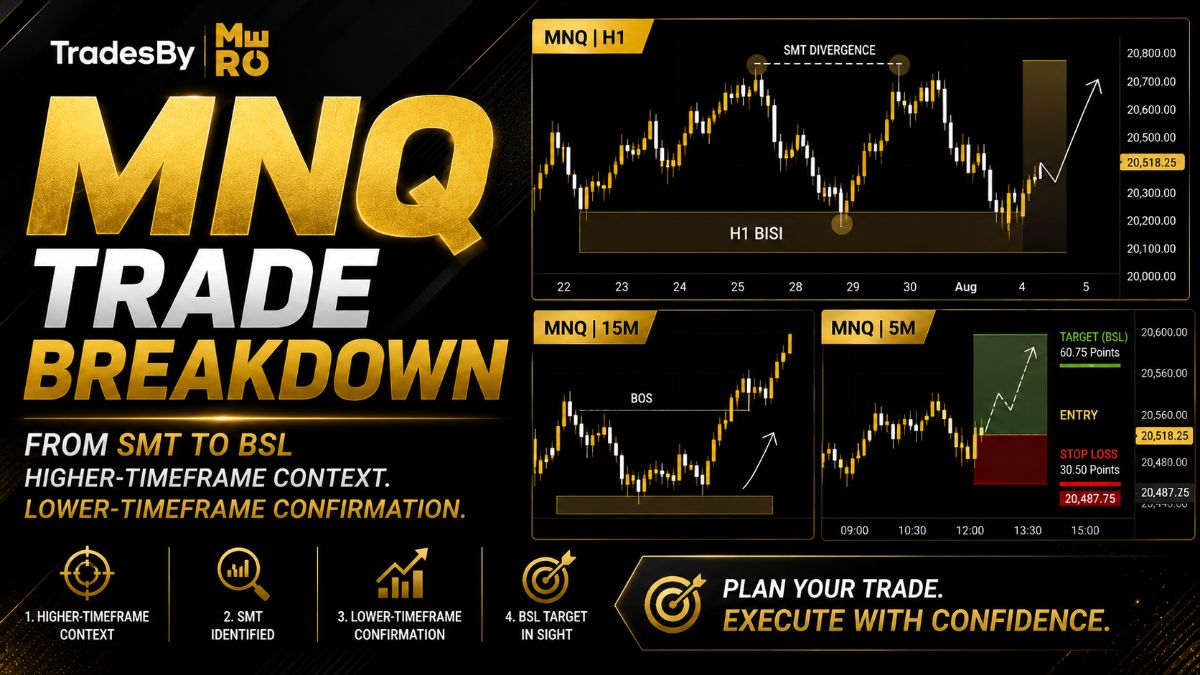
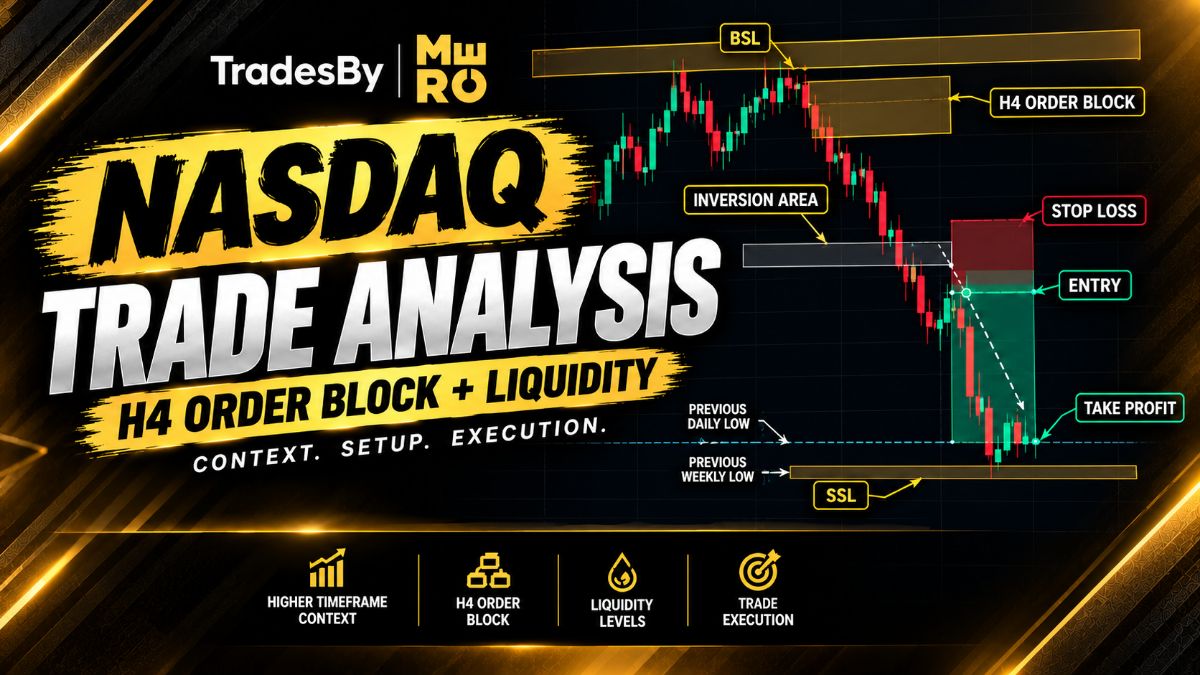
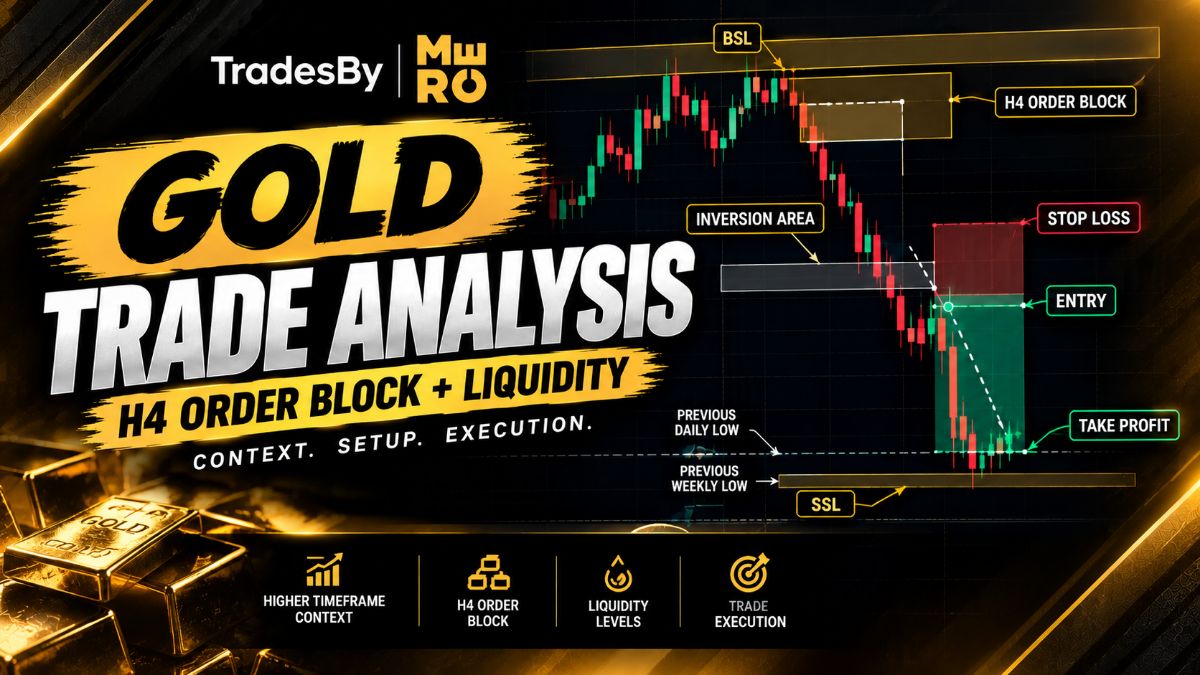
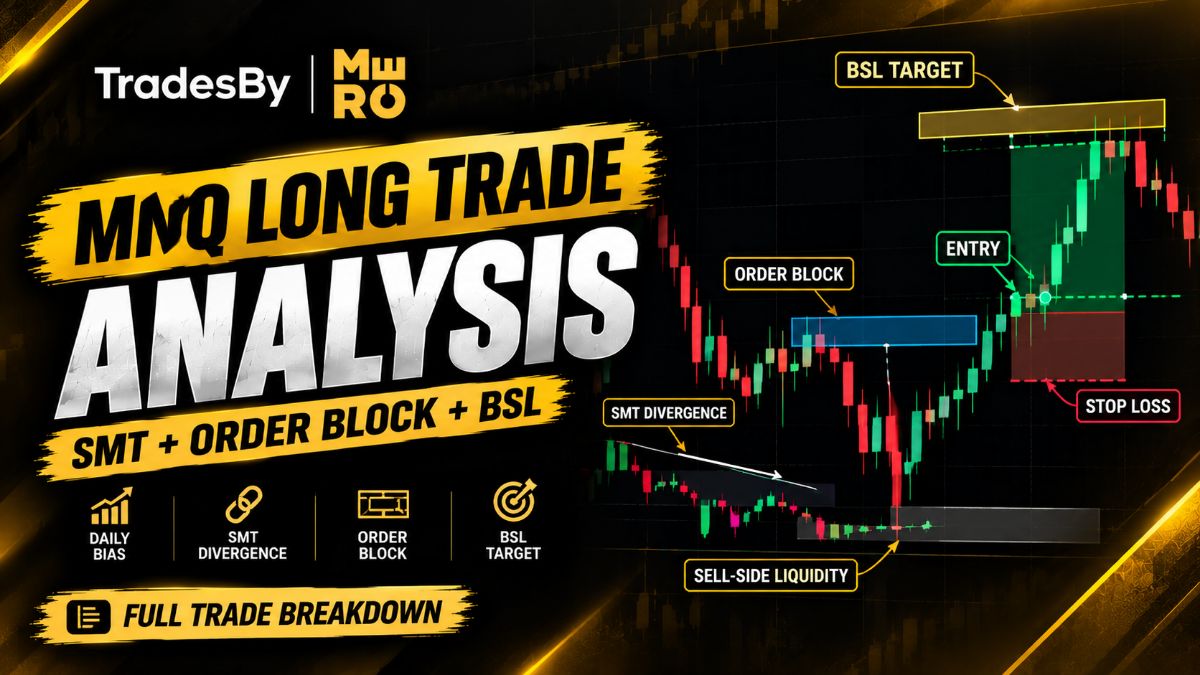
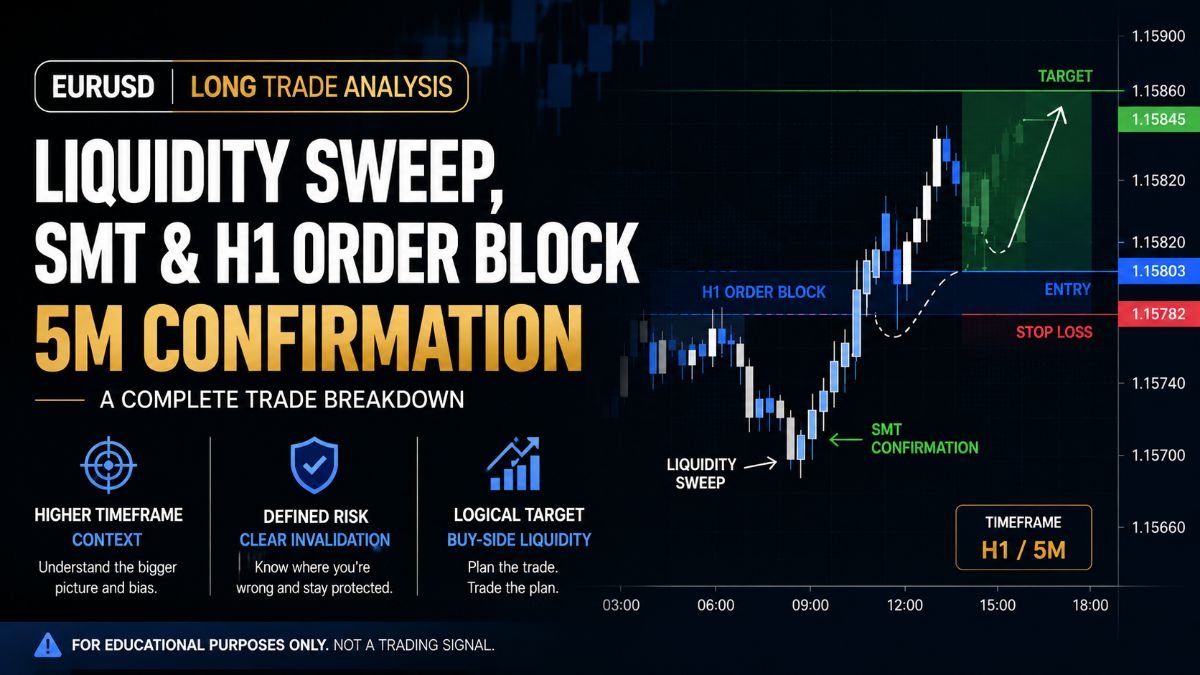
The first thing I looked at was the higher-timeframe structure. Price was trading around an important H1 Order Block, with liquidity resting below the recent lows. I was interested in seeing how price would react around that area rather than entering immediately.
On the lower timeframe, price swept the sell-side liquidity and showed SMT confirmation around the lows. This gave me more confidence that the bearish move was losing strength and that a potential reversal could develop.
From there, I waited for the 5-minute chart to give me the confirmation I wanted before entering the long.
Entry: Around 1.15803
Stop Loss: Around 1.15782
Target: Around 1.15845
Risk-to-Reward: Approximately 1:1.86
The stop was placed below the invalidation area. If price continued below that level, the bullish idea would no longer be valid.
The target was positioned toward the buy-side liquidity above, around the previous highs.
The important part of this trade is not simply that price moved higher. The setup had a clear reason for the entry, a defined point of invalidation, and a logical target.
You don't need to predict every move in the market.
Instead, build a process:
Higher-timeframe context → liquidity → confirmation → entry → defined risk.
The higher timeframe helps identify where the opportunity may be. The lower timeframe helps determine when to actually enter.
This is the type of structured approach I want traders to develop instead of entering just because price is moving.
For educational purposes only. This is not a trading signal or a guarantee of profit. Trading involves risk.
Log in to like and join the discussion.
GOLD Long Trade Analysis | SMT + Order Block + BSL
Oct 10, 2026 · 3 min read
Stalking the Judas Swing in Aussie & Kiwi – The Bearish Path
Jun 8, 2026